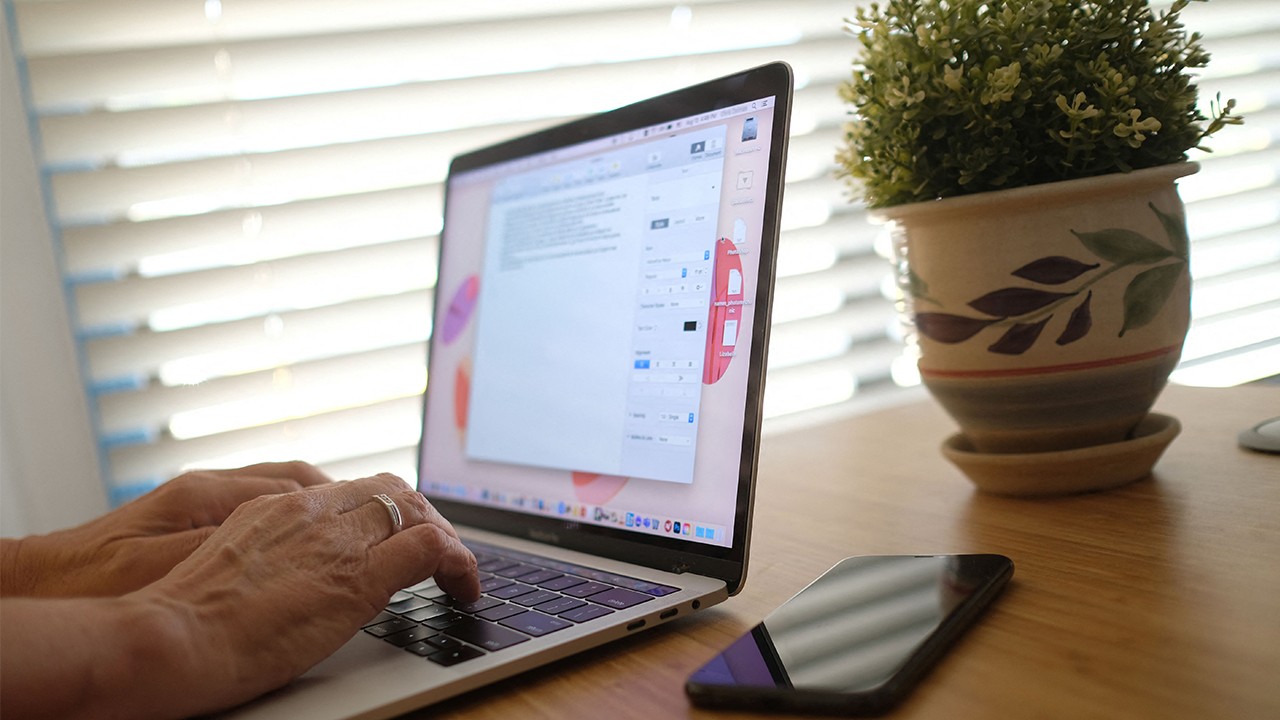
As a blind developer who works on accessibility daily, I get asked the same question a lot: where do I even start with accessibility? The answer is simpler than most people think. The W3C broke it down into four principles, and everything else builds on top of them.
Over a billion people worldwide live with some form of disability, according to the WHO. Technology has opened doors that used to be shut, but only when it’s built right. These four principles are the foundation.
Principle 1: Perceivable
Can the user actually perceive what’s on the screen?
Are the colors comfortable for older users and people with low vision? How does a blind user understand an image without a text description? How does a deaf user follow an audio clip without captions or sign language?
I wrote a deeper dive into this principle: Perceivability in detail.
Principle 2: Operable
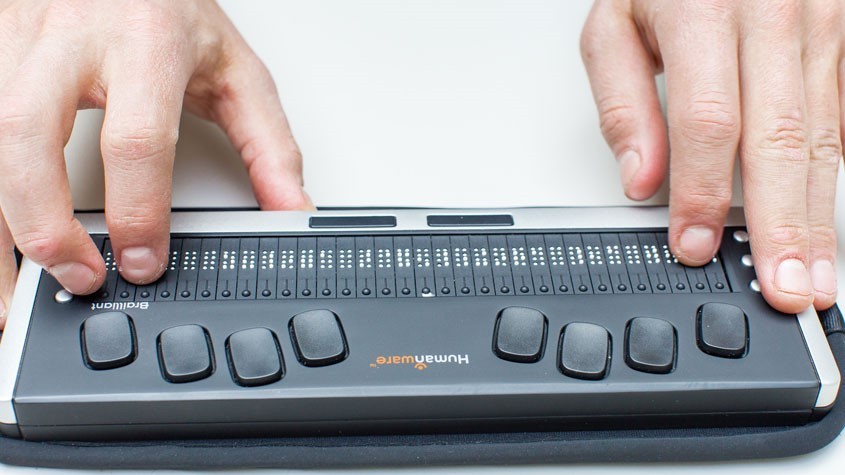
Can the user reach every part of the interface and interact with it?
If an icon shows a tooltip on mouse hover, how do keyboard users get the same information? Can users with motor disabilities operate the interface through voice commands or eye tracking? What about TV remote controls? Have you provided accurate labels for every control?
More on this: Operability in detail.
Principle 3: Understandable
Does the user know what’s happening on the screen?
Are error messages clear about what went wrong and how to fix it? Are you relying on color alone to signal errors? Have you minimized the number of steps to complete a task?
More on this: Understandability in detail.
Principle 4: Robust
Is the interface compatible with different devices and assistive technologies, delivering a consistent experience across all of them?
Have you tested with the assistive technologies people actually use? What about different screen sizes, browsers, and operating systems?
Accessibility is not a one-time task
It’s a continuous process that evolves with user needs and technology. And it’s not just about people with disabilities.
YouTube discovered that some users mute videos and rely on captions while watching in libraries or on the train. That’s what’s called a situational disability, imposed by time, place, or circumstance. Accessibility benefits everyone.
There’s much more to say about each principle, and I’ll be covering them in separate articles.
Comments
No comments yet.
Add a comment
Sign in to comment